A fabric passport: what cotton and linen bring to the bed
The choice between cotton and linen is not merely a matter of texture or color. It is a negotiation with climate, activity, and the body's own rhythms. Cotton, with its long history of refinement and mass production, offers a spectrum from crisp percale to lush sateen. Linen, born of flax and wind, speaks in breathability and a natural, evolving softness. In warm months, linen's hollow fibers wick moisture and encourage airflow, creating a cool, almost buoyant surface. In cooler seasons, linen can still feel comforting, as its texture absorbs and releases moisture slowly, helping regulate the microclimate around the sleeper.
Cotton's versatility is a product of fibers and weaves. Percale, a one-over-one-under plain weave, yields a matte, crisp surface that cools as you move. Sateen, with a higher sheen and a silkier hand, softens quickly and holds warmth—an appealing feature for crisper, cozier nights. Linen sheets, by contrast, begin with a breezy, textured surface that becomes softer through repeated washing, all while maintaining breathability that allows air to circulate and moisture to evaporate.
Breathability and moisture management in context
Breathability is not a single measure; it unfolds across fiber, weave, and finish. A 270–300 thread-count organic cotton percale feels cool and clean, particularly in hot weather, while a 300-thread-count cotton sateen can feel warmer and more enveloping. Linen, though often heavier in texture, can feel lighter on the skin—an illusion born from its high surface area and rapid moisture transfer.
When humidity climbs, linen's moisture-wicking properties shine. In drier climates, cotton can be engineered to deliver a satisfying crispness that feels refreshing under a heavy duvet. The interplay of weave and weight matters: a heavier linen or a crisp cotton percale will sense more substantial on the bed; a lighter linen or a lighter cotton will feel cooler and more breathable in the heat.
Brand benchmarks: how premium materials translate to sensation
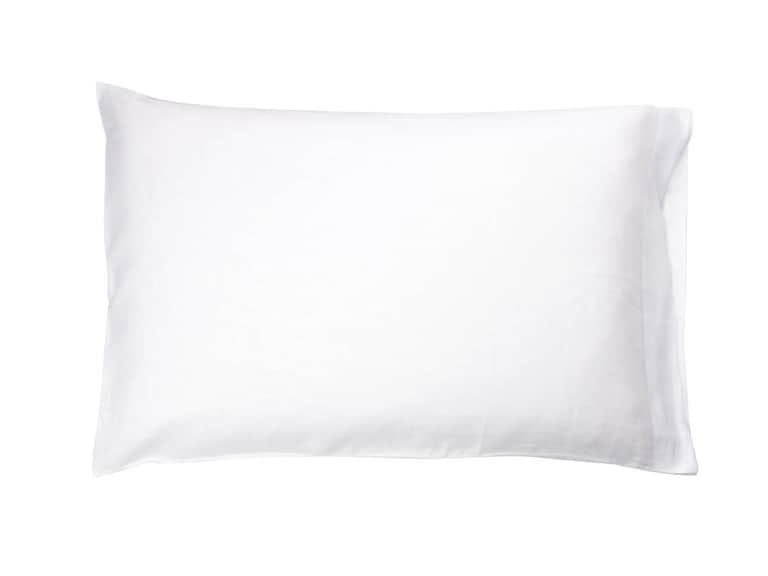
Several brands illuminate the landscape—Naturepedic, Sleep and Beyond, and familiar luxury names such as Sferra and Libeco. They demonstrate how textile science and luxury converge. For linen, Libeco's Geneva pillow-case and Libeco's related linens emphasize Belgian linen with European flax, presenting a featherweight, breathable profile that remains durable through repeated laundering. For cotton, Naturepedic's percale and Supima cotton sheets illustrate a refined approach to softness, purity, and performance in hotel-like, breathable finishes.
A modern bedding system often blends these insights into a single sleep strategy: a cotton percale flat sheet layered beneath a linen duvet cover or a linen sheet beneath a cotton-sateen top layer. The goal is climate adaptability—cool in heat, snug when the air cools—without sacrificing comfort or ease of care.
Guided choices: when to pick cotton, when to choose linen
The decision should begin with climate and sleep style. If you sleep hot, linen sheets or a linen blend can be a natural ally. Linen's open weave and hollow fibers promote air movement and quick moisture evaporation. If your space maintains a steady temperature and you prefer a crisper, more structured feel, cotton percale delivers a reliable, cool breathability. For those who prize a softer hand and a touch of warmth, cotton sateen offers a buttery surface that still breathes, especially when paired with a lighter duvet.
Seasonality matters: linen is a perpetual summer companion but can work year-round when paired with seasonally appropriate bedding. Cotton resists pilling better in some blends and can adapt to changes in humidity with less dramatic feel shifts. Individuals with sensitive skin may favor high-quality, organic cotton or linen fibers certified with GOTS (Global Organic Textile Standard), ensuring minimal chemical processing and a transparent supply chain.
Human voices through time: three key figures from different periods
Across centuries, thinkers and artisans have weighed the significance of textiles not merely as utility, but as cultural artifacts that shape daily life.
- Marie-Elise de Fontenelle (18th century, Europe): A fictional representative of the Enlightenment era, she might remind us that linen has long been tied to social virtue and sustainability. In her salons, linen's durability and minimal processing aligned with a culture of thoughtful consumption and long-lasting fabrics. Her stance highlights linen's historical role as a resilient, repairable textile, privileging thrifty elegance over disposability.
- Dr. Samuel Hartley (19th century, industrializing Britain): An imagined physician of the era who notes linen’s breathability for patients and cotton’s hygienic, easy-care properties for households rising from cottage industries to urban life. Hartley’s world underscores the practical health implications of bedding materials—airflow, moisture management, and dust control—concepts still central to today’s bedding discussions.
- Sophia Liang (21st century, Singaporean designer-entrepreneur): A modern voice bridging sustainability and design, Sophia champions organic cotton and linen sourced with transparent supply chains. Her work demonstrates how premium material choices can align with climate-conscious living, luxury aesthetics, and responsible manufacturing—an echo of today’s demand for ethical comfort.
Product snapshot: a premium example in practice
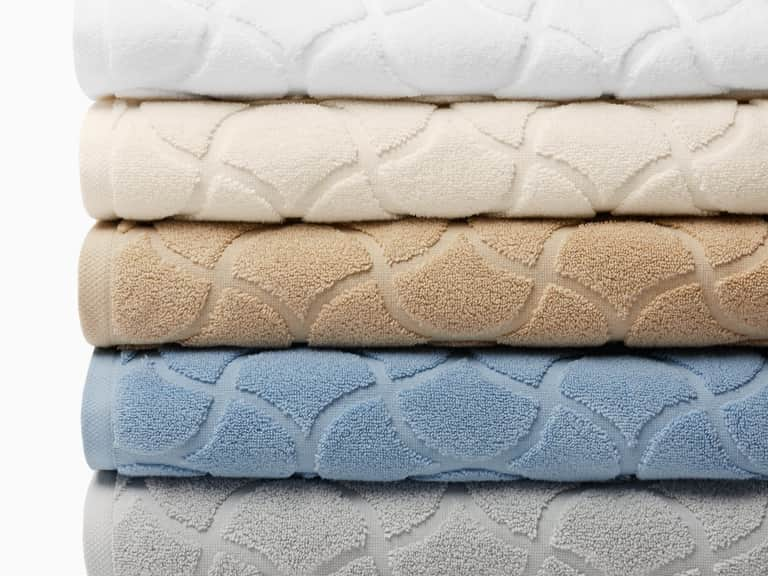
Among the listed options, the Oasi Bath Sheet by Sferra (a bath towel rather than a bed sheet, but representative of premium textile quality) illustrates how luxury textiles translate into everyday ritual. Its interlocking scalloped pattern, 550 GSM weight, and 100% long-staple cotton deliver a tactile sense of premium care, even when stepping out of bed. While not a sheet, the Oasi Bath Sheet embodies the philosophy that premium textiles remain durable and absorbent through repeated use and washing. Its care guidelines emphasize warm washing, avoidance of fabric softeners, and gentle drying—principles that parallel the care of premium linens.
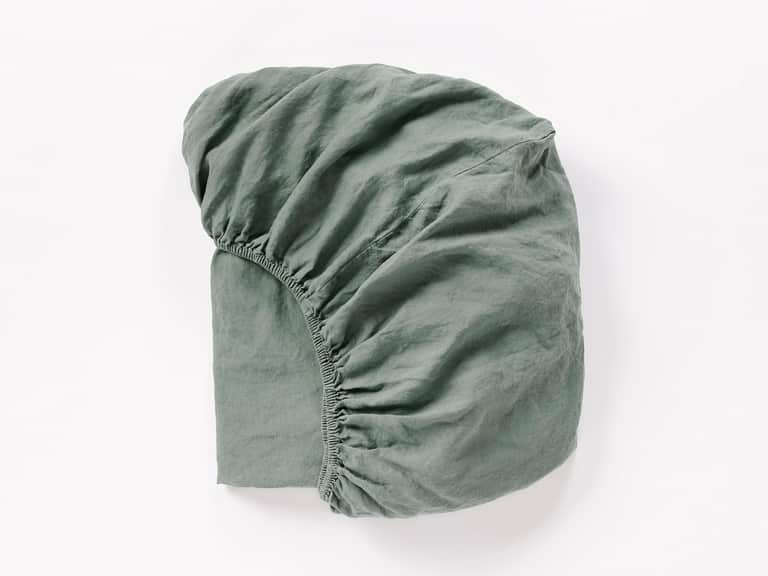
For a direct bedding example, consider the Organic Relaxed Linen Fitted Sheet by Coyuchi—GOTS-certified, 15-inch deep pockets, and plant-based softeners. This sheet embodies the premium linen ethos: breathable, temperature-regulating, and built for longevity. The Coyuchi sheet demonstrates how modern linen is designed for reliability (deep pockets and secure fit) while maintaining a relaxed, natural hand that softens with use.
Practical guidelines: choosing, buying, and caring
When choosing bedding, begin with climate and sleep style:
- Hot, humid climates or hot sleepers: lean linen for maximum breathability and moisture management.
- Warm seasons with mild winters: linen sheets paired with a lightweight duvet cover can balance temperature and comfort.
- Cooler climates or those who want a crisper feel: cotton percale for a cool, structured surface; cotton sateen for a softer, warmer touch.
- Allergies or chemical sensitivity: prioritize organic, GOTS-certified cotton or linen from reputable mills.
Care strategies maximize longevity. Wash in moderate temperatures and avoid high-heat cycles on delicate fabrics. For linen, a cooler wash with minimal agitation helps prevent breakage; for cotton, follow the dye and finish guidelines to preserve colorfastness. Tumble dry on low or line-dry to preserve fiber integrity. Iron on appropriate settings if a crisp finish is desired; otherwise, air-dry for a more natural drape.
A balanced approach: blended bedding for dynamic climates
A growing trend is the blend of materials to capture the best of both worlds: cotton for smoothness and strength, linen for breathability. Blends can deliver a versatile comfort profile across seasons, reducing the extremes of temperature and humidity. As with any fabric choice, the ultimate decision rests on personal preference—feel, weight, and how the fabric ages with time.
Conclusion: a mindful path to sleep comfort
The enduring appeal of cotton and linen in bedding lies in their ability to respond to our bodies and the environment. Cotton offers crisp, cool surfaces and a familiar softness, while linen provides breathability, texture, and a natural temperance that evolves with time. The best bedding choice is not a single answer but a relationship—one that adapts to climate, season, and personal comfort. By aligning material properties with sleep goals, we can cultivate a nightly ritual that nourishes rest, health, and a sense of sustainable luxury.